
Thinking ahead to the future and shaping change together
Change is shaping our present, but how can we actively help shape the future rather than merely reacting to crises? It was under this guiding principle that the ASTRAL Futures Day took place at the Stuttgart Media University (HdM). The event focused on strengthening strategic foresight in European SMEs and innovation networks. With high-profile keynote speeches, interactive methods and concrete case studies, the event offered participants an in-depth insight into the tools of futures studies.
Imagining Otherwise: Narrative Foresight and Emotional Futures
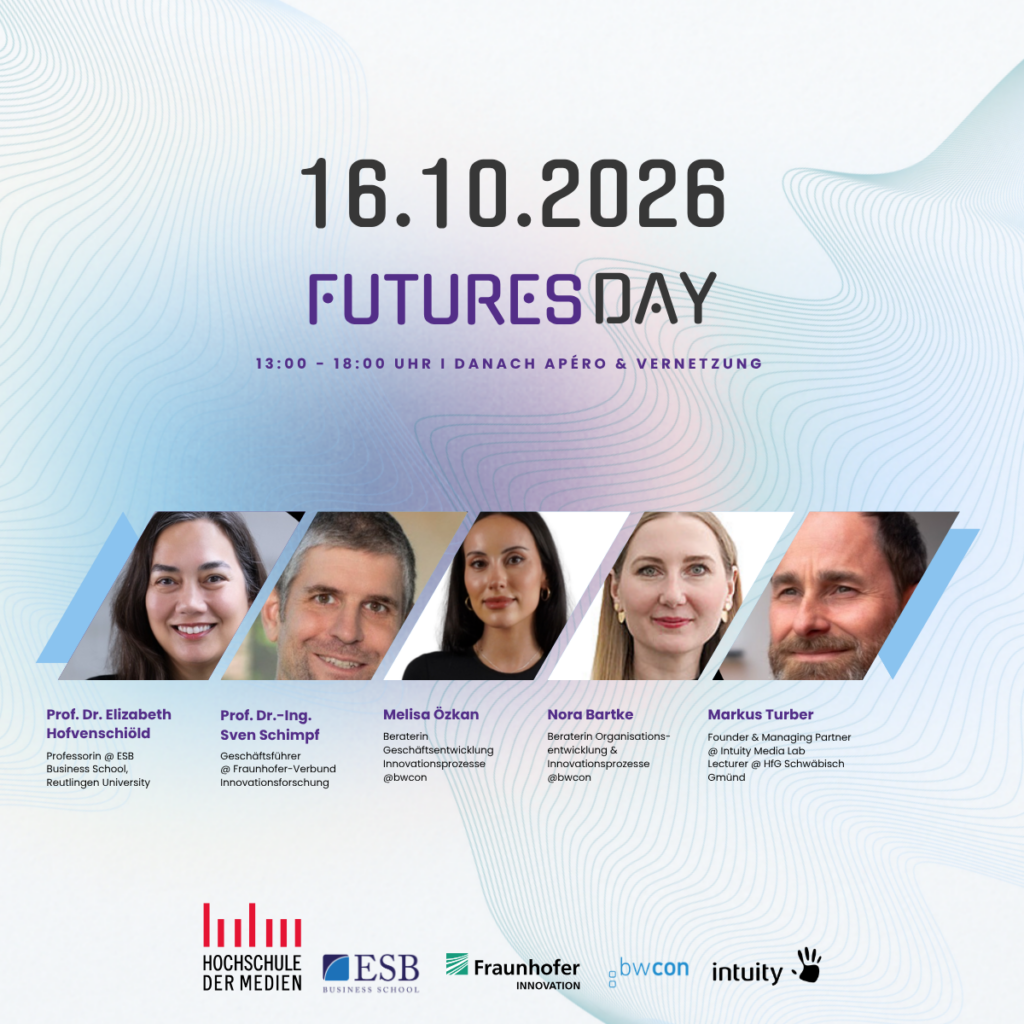
Prof. Dr Elizabeth Hofvenschiöld from the ESB Business School (Reutlingen University) kicked off the event with her keynote address, ‘Imagining differently: anticipating desirable futures’. She pointed out that the human mind is first and foremost a storyteller, not a logic processor. If management and organisations want to drive change, dry reports and Excel spreadsheets simply do not cut it.
Rather than dwelling on dystopian visions of the future, we need new narratives, world-building and tangible artefacts of the future. Through methods such as narrative foresight and interactive formats such as writing ‘postcards from the future’, participants learn to use uncertainty as inspiration and to develop a mindset of futures literacy.
From prediction to a continuous foresight engine
Prof. Dr.-Ing. Sven Schimpf from the Fraunhofer Group for Innovation Research covered the spectrum from strategic planning to practical implementation. He opened his talk with a striking quote from Victor Hugo: “For the weak, the future is impossible; for the timid, it is unknown – and for the brave, it is the only chance.”
The focus was on how companies can move away from static scenario documents destined for the filing cabinet towards a continuous foresight mechanism. AI-supported simulations and multi-agent systems are playing an increasingly important role in this regard. At the same time, Schimpf urged vigilance regarding AI bias: as language models often reflect cultural mindsets, European sovereignty and data literacy are indispensable.
Method Clinic: Regional Opportunities and the Remstal Foundation for the Future
The Method Clinic, led by Markus Turber (Intuity) alongside Danica Rath, Nora Bartke, Melisa Özkan and Prof. Dr Christoph Kunz, demonstrated how theoretical future studies can be put into practice. Using the practical example of the ‘Zukunftsstiftung Remstal’, the participants worked through a structured process – from creative flash fiction imagination, through the Future Ripples method (STEEP+V model) right through to backcasting transformation pathways – to develop desirable futures for the region.
The Remstal is on the cusp of a historic transformation: as land lies fallow and traditional economic structures come under pressure, a unique opportunity is arising to forge new links between the cultural landscape and industrial innovation. As a European real-world laboratory for agricultural robotics and regenerative agriculture, the foundation is working with universities, research institutions and regional businesses to explore new ways of intelligently combining ecological diversity with economic strength.
Conclusion
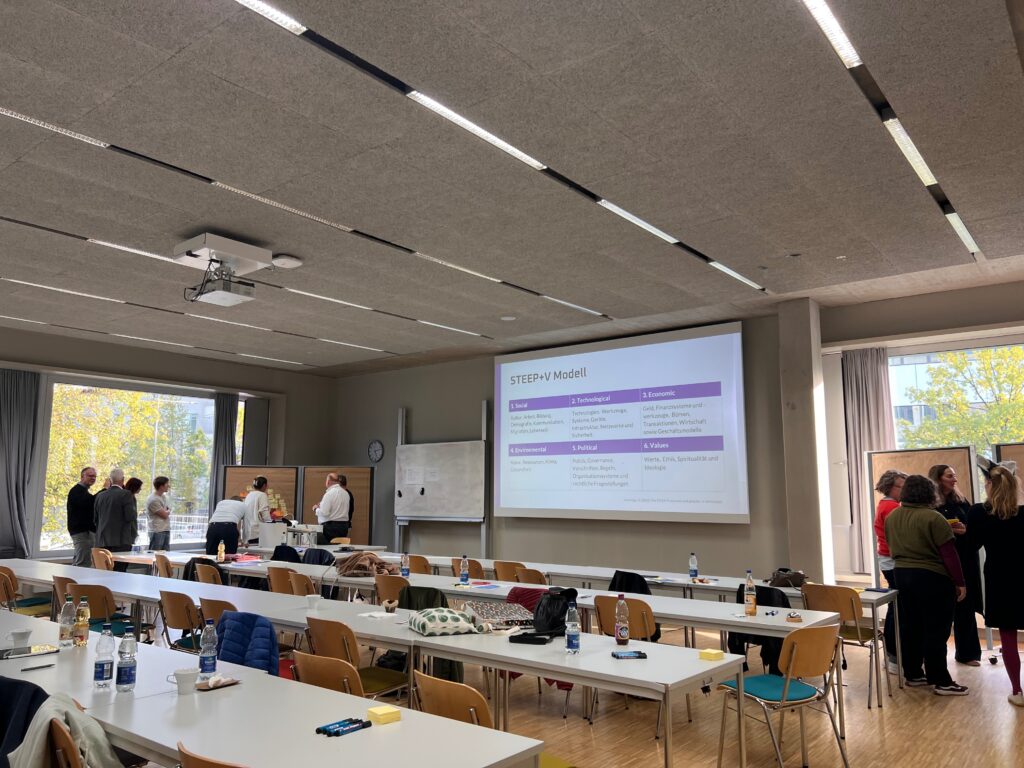
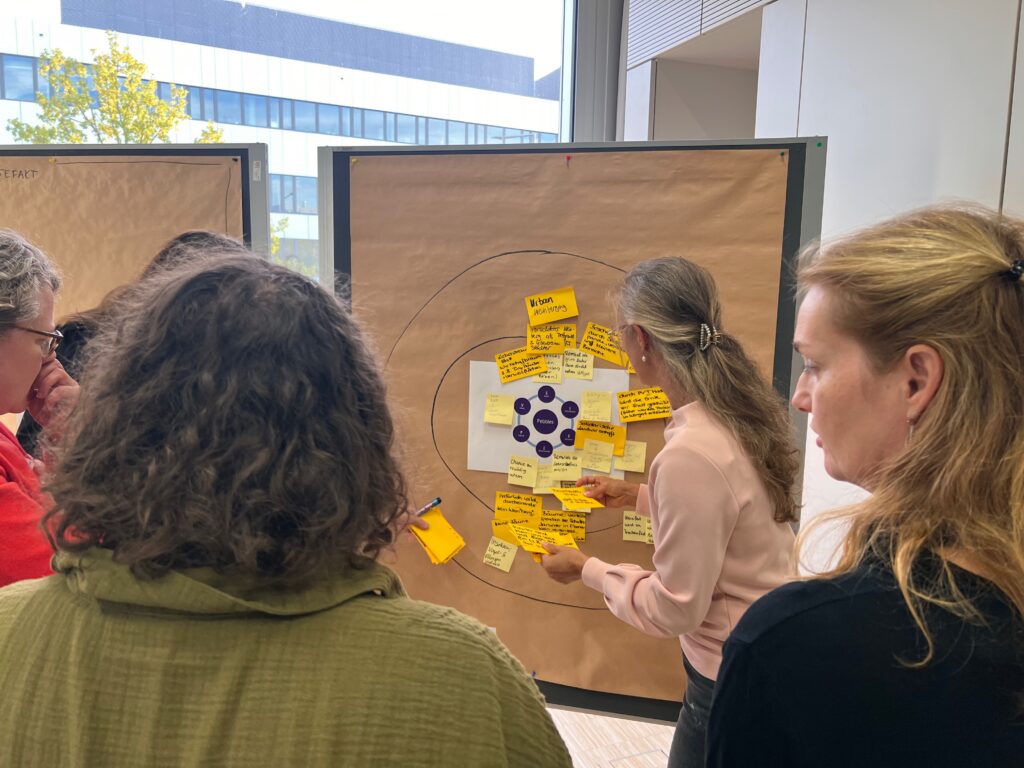
The ASTRAL Futures Day at the HdM demonstrated impressively that technology alone does not constitute a strategy. It is only when human imagination, sophisticated technology and the courage to put ideas into practice go hand in hand that a space is created in which we can shape a future worth living.