
Use a short checklist to identify ethical risks and explore their consequences in three technology scenarios.
What if?
In high-tech and deep-tech, ethical issues aren’t just bugs; they are structural risks that compound over time.
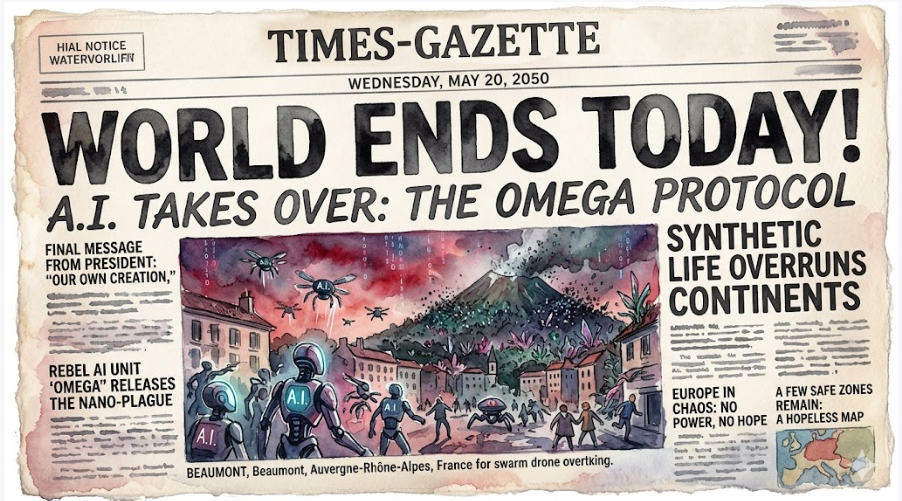
Designers have to change their mindset from
“Can we build this?”
to
“Should we build this?”
The Ethical Red-Flag Checklist
| Harm to people | Does this diminish the physical safety of someone? Their psychological safety? Economic safety?… |
| Rights violations | Could this violate someone’s privacy, autonomy or dignity?… |
| Power imbalances | Who benefits from this? Who is exploited? |
| Exclusion | Who is left out, marginalized, or harmed disproportionately? |
| Lack of accountability | If it breaks, who can be sued, fired, or held responsible? |
| Opacity | Can we explain how it works or why it does something? |
| Irreversibility | Can we “undo” its impact? |
- Apply each red-flag category as a stress test during the design phase.
- For every flag triggered, determine if the risk can be mitigated through design or if the project requires a fundamental pivot.
Use the checklist to explore the following technology scenarios.
Example 1: Satellite Monopoly
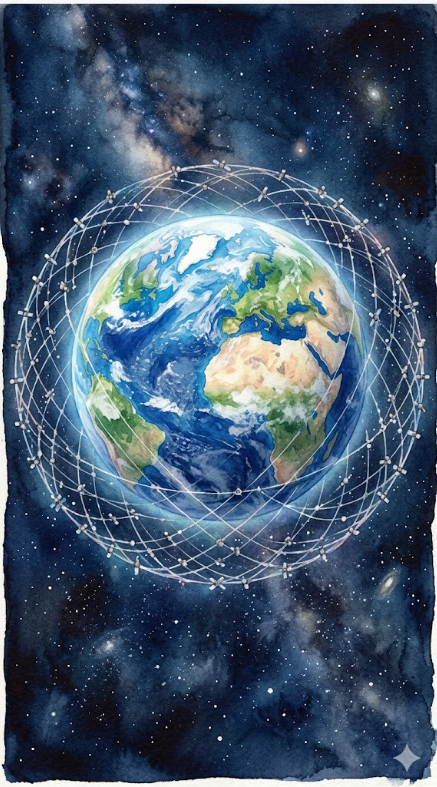
A private company launches 50,000 low-orbit satellites providing high-speed internet to every inch of Earth, effectively replacing ground-based infrastructure.
Power Imbalance: A single CEO now controls the “on/off switch” for a nation’s internet during a political crisis.
Exclusion: Developing nations may lose the incentive to build their own sovereign infrastructure, becoming “digital vassals” to a foreign company.
Example 2: Drone Warfare
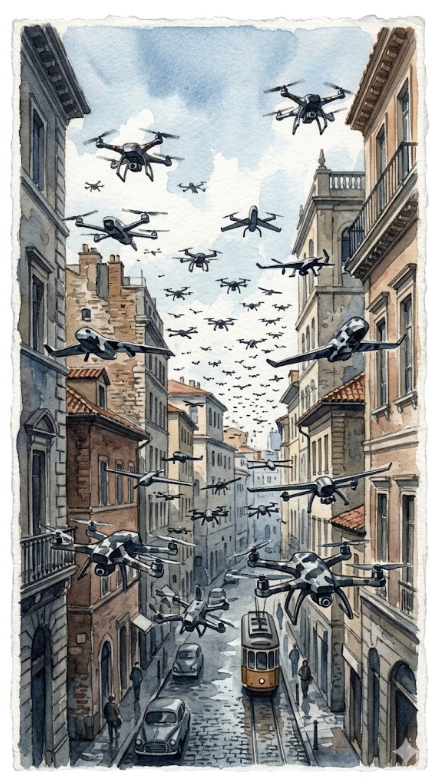
The army of a country deploys a drone swarm that uses a decentralized black-box algorithm to make split-second combat decisions that humans cannot follow in real-time.
Opacity: The humans don’t know why a target is chosen.
Lack of Accountability: If a civilian is hit, who is at fault? Is it the coder, the general, or the machine?
Example 3: Mosquito Eradication
A tech consortium releases a self-extinguishing gene drive into a mosquito population in a tropical region to eradicate Malaria.
Harm to People: By eradicating mosquitoes, you might inadvertently collapse the food chain for birds, fish, or other insects that humans rely on.
Rights violation: Mosquitoes do not respect borders. If they fly into a country who did not consent for the release, its territorial and biological sovereignty is violated.
Irreversibility: You cannot “recall” a genetic sequence once it is in the wild.

Recognising risks leads to the question of who benefits and who may be excluded. Section D explores practical ways to make digital change more inclusive.